💬 Introduction: Feeling Crushed by Debt? You’re Not Alone.
Millions of people struggle under the weight of debt and a low credit score. But here’s the good news: small, smart moves can create big results—sometimes in just weeks.
We’ve put together 20 powerful debt relief secrets that can help you break free from debt and skyrocket your credit score faster than you think. Ready? Let’s go!
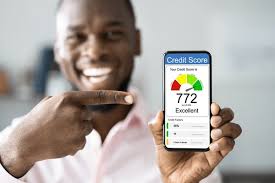
1. Know Your Credit Report Inside Out
Get your free credit report (from CIBIL, Experian, or Equifax) and look for mistakes or old accounts. Correcting errors can quickly boost your score.
2. Automate Your Minimum Payments
Never miss a payment again—automate at least the minimum due to avoid late fees and score damage.
3. Negotiate Lower Interest Rates
Call your lender and ask for a better rate—you may be surprised how often they say yes.
4. Use the 15/3 Credit Card Payment Trick
Pay half your card bill 15 days before it’s due and the rest 3 days before. This lowers your reported balance and improves your utilization rate.
5. Keep Old Credit Cards Open
Older accounts improve your credit age—so don’t close them!
6. Avoid Hard Credit Inquiries
Too many credit applications in a short time lower your score. Be selective.
7. Use the Debt Snowball Method
Pay off your smallest debt first, then move to the next. Small wins = big motivation.
8. Try the Debt Avalanche Method
Focus on debts with highest interest rates first to save the most money.
9. Consolidate Debt with a Lower Interest Loan
Roll multiple debts into one payment—simpler, cheaper, and easier to manage.
10. Avoid Payday Loans
These high-interest traps can bury you further. Look for better alternatives.
11. Set a Debt-Free Target Date
Set a clear deadline—it keeps you accountable.
12. Increase Your Credit Limit (and Use it Responsibly)
A higher limit lowers your utilization rate—just don’t spend more.
13. Use a 0% Balance Transfer Card
Transfer your balance to a 0% APR card to save on interest and pay off faster.
14. Apply for a Credit Builder Loan
These special loans help rebuild your credit when traditional options aren’t available.
15. Avoid Co-Signing for Others
If they default, you are on the hook. Protect your score.
16. Track Spending with a Budgeting App
Apps help you stay on track and spot leaks in your spending.
17. Seek Free Credit Counseling
Non-profits and banks offer free help to map out your repayment strategy.
18. Check for Duplicate Entries on Your Report
Duplicate debts? Flag them! Removing them can instantly lift your score.
19. Build a Small Emergency Fund
Emergency fund in the glass jar with cash.
Start small—₹500 a week can save you from falling back into debt.
20. Stay Consistent and Patient
Credit improvement is a marathon, not a sprint. Stick to your plan, and results will come.
🌟 Final Thoughts: Your Road to Financial Freedom Starts Now
You don’t need to be a finance expert to fix your credit score. With these 20 debt relief secrets, you’re already ahead of the game.
📣 Got questions or success stories? Drop a comment below or connect with us—we’d love to hear how your journey is going!
Are you tired of living paycheck to paycheck and feeling overwhelmed by your finances? Personal budgeting doesn’t have to be a chore; it can be a ticket to financial freedom!
In this article, we’ll share ten life-changing personal budgeting hacks that can help you take control of your money management journey. From innovative savings techniques to clever spending insights, these tips are designed to make budgeting simpler and more effective.
Get ready to transform your financial future with these practical hacks that will not only save you money but also give you peace of mind. You won’t believe how easy it can be to manage your finances once you start using these powerful tools!
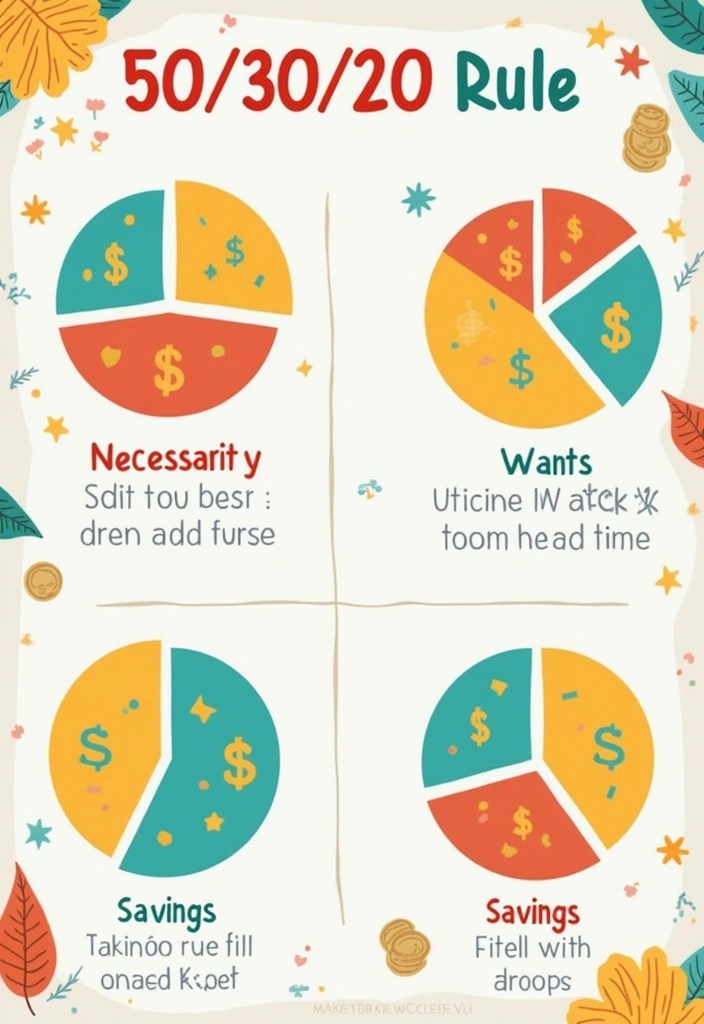
One of the most popular budgeting hacks is the 50/30/20 rule. This simple yet effective method divides your income into three categories: necessities (50%), wants (30%), and savings/debt repayment (20%).
By allocating your income this way, you ensure that you’re covering your essential bills while also allowing yourself some fun money without overspending. It helps create a balance that’s sustainable in the long run.
Start by tracking your monthly income and expenses. Then categorize your spending to see if you’re sticking to these percentages. If not, make adjustments by cutting back on wants or finding ways to save more.
This method not only simplifies budgeting but also promotes mindful spending, allowing you to enjoy life while working towards financial stability.
Tips for implementation:
– Use budgeting apps to track your expenses easily.
– Regularly review your categories and adjust as necessary.
– Treat savings as a fixed expense to prioritize it.
This budgeting hack is perfect for anyone looking to get their finances in check without feeling deprived.
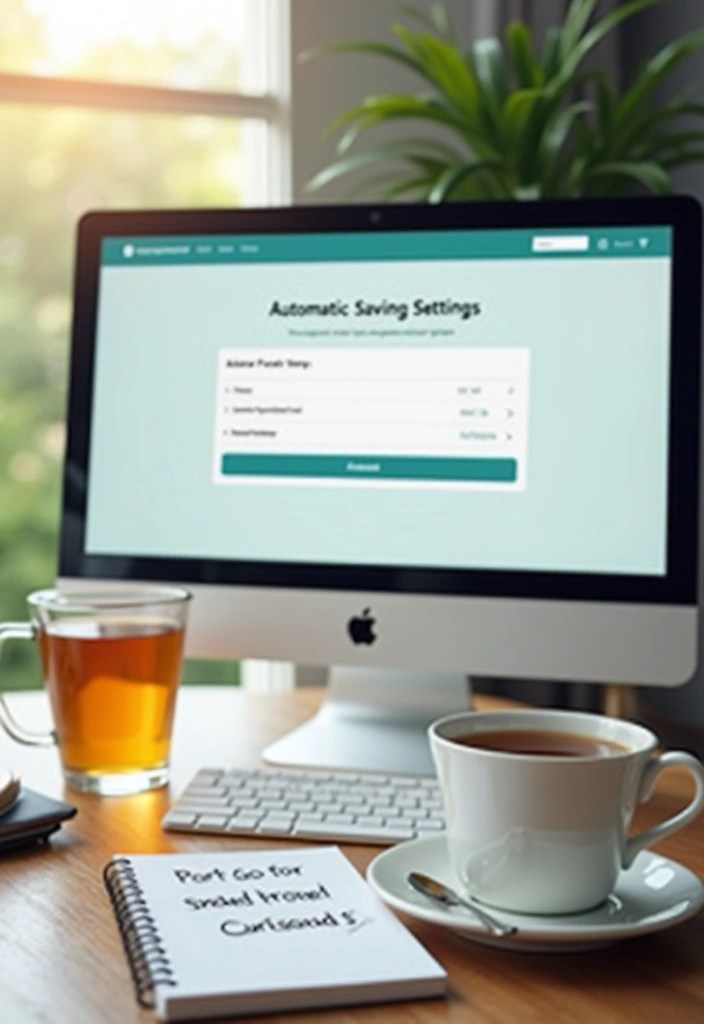
2. Automate Your Savings
Imagine if saving money were as easy as flipping a switch! Automating your savings can make that a reality. Set up automatic transfers from your checking account to your savings account right after payday.
By doing this, you treat your savings like a bill that you must pay. This way, you won’t be tempted to spend those extra funds before saving. Plus, you can set up different accounts for specific goals—like a vacation, a new car, or an emergency fund.
This hack helps you build your savings effortlessly over time, and you’ll be surprised at how quickly it adds up. You can even consider using apps that round up your purchases and deposit the spare change into your savings.
Tips for successful automation:
– Choose a specific percentage or amount to transfer each month.
– Use multiple savings accounts for varied goals to stay motivated.
– Review your automation settings regularly to ensure they align with your financial goals.
When savings become automatic, you’ll find you can still enjoy your money while watching your savings grow.
3. Use Cash Envelopes
Cash envelopes might sound old school, but they can be incredibly effective for controlling spending. The idea is simple: withdraw cash for specific spending categories and place them in labeled envelopes.
When the cash is gone, that’s it—you can’t overspend! This method works wonders because it forces you to be more mindful about your purchases. You’ll think twice before buying that extra latte when you see your envelope getting thinner.
Consider having envelopes for categories like groceries, dining out, entertainment, and even personal care. This way, you’ll have a clear visual of where your money is going.
Tips for using cash envelopes:
– Choose categories that you struggle to control.
– Maintain a separate envelope for savings or “fun money” to keep spending enjoyable.
– Regularly reassess your categories and adjust the amounts based on your spending habits.
Cash envelopes can bring a level of discipline that digital transactions sometimes lack, making your budgeting more tangible and engaging.
4. Find Your ‘Why’
Understanding your ‘why’ is crucial when it comes to personal budgeting. What motivates you to manage your money? It could be saving for a home, traveling the world, or simply achieving peace of mind.
When you have a clear reason for your budgeting efforts, it becomes much easier to stick to your plan. Write down your goals and keep them visible to remind yourself of what you’re working towards.
This emotional connection makes it easier to resist impulse purchases that don’t align with your goals. For instance, think about your dream vacation every time you’re tempted to buy that new gadget.
Tips for discovering your ‘why’:
– Reflect on your values and long-term aspirations.
– Create a vision board that visually represents your goals.
– Share your goals with friends or family for accountability and support.
Finding your ‘why’ turns budgeting from a mundane task into a meaningful journey towards financial freedom.
5. Track Every Expense
Tracking your expenses can feel tedious, but it’s one of the most powerful budgeting hacks out there. By knowing exactly where your money is going, you can identify spending habits that might be draining your finances.
Start by documenting every purchase, no matter how small. You can use apps, spreadsheets, or good old-fashioned notebooks. The key is consistency—do it daily or weekly to keep a close eye on your spending.
Once you have a clear picture of your expenses, categorize them into needs and wants. You might be surprised at how much you spend on things that don’t matter as much to you.
Tips for effective tracking:
– Set aside time each week to review your spending.
– Use color coding for different categories to visualize your habits better.
– Adjust your budget based on what you learn about your spending habits.
Tracking expenses not only helps you budget more effectively but also encourages mindful spending, putting you back in control of your finances.
6. Set Financial Goals
Setting financial goals is essential for effective personal budgeting. Without clear objectives, it’s easy to lose focus and motivation. Whether your goals are short-term (like saving for a new phone) or long-term (such as retirement), having them written down can make a world of difference.
Start by outlining specific, measurable, achievable, relevant, and time-bound (SMART) goals. For instance, instead of saying, “I want to save money,” specify, “I want to save $1,000 for a vacation in 10 months.”
Break down your goals into actionable steps, and track your progress. This will keep you accountable and give you a sense of achievement as you reach milestones.
Tips for setting effective financial goals:
– Regularly review and adjust your goals as your financial situation changes.
– Celebrate small wins to stay motivated.
– Share your goals with supportive friends or family for encouragement.
With clear financial goals, budgeting becomes a more fulfilling process, leading you to a brighter financial future.
7. Revisit Your Budget Regularly
Creating a budget isn’t a one-and-done activity; it requires regular revisitation. Life changes, and so should your budget. By reviewing it monthly or quarterly, you can adjust for new income, expenses, or goals.
This process allows you to stay on top of your finances and make necessary changes to stay within your desired financial path.
During your review sessions, analyze what’s working and what’s not. Are you consistently overspending in certain categories? Do you have unexpected income that you want to allocate?
Tips for effective budget revisits:
– Schedule regular budget review sessions to keep it from being overwhelming.
– Use your expense tracking data to make informed decisions.
– Be flexible and willing to make changes as your financial situation evolves.
By keeping your budget dynamic and relevant, you’ll ensure it serves you well and keeps you on track towards financial freedom.
8. Use Budgeting Apps
In today’s digital age, budgeting apps can be a game-changer for personal budgeting. They simplify tracking expenses, monitoring savings, and even setting goals. With so many options available, you can find one that suits your lifestyle and preferences.
Popular features include expense categorization, bill reminders, and even the ability to sync with your bank account for real-time updates. Many apps also offer insights into your spending habits, helping you make informed financial decisions.
Some apps are free, while others may offer premium features for a fee. The investment can be worth it if it means better financial management.
Tips for choosing the right budgeting app:
– Look for user-friendly interfaces.
– Read reviews and compare features.
– Take advantage of free trials to find what works best for you.
Using budgeting apps can make the budgeting process more engaging and less stressful, helping you stay committed to your financial goals.
9. Implement a No-Spend Challenge
A no-spend challenge can be a fun and eye-opening way to take control of your finances. This challenge involves committing to a specific timeframe—like a week or a month—where you refrain from spending any money outside of essentials.
The goal is to break the habit of mindless spending and to focus on what you already have. You’ll likely discover creative ways to entertain yourself and enjoy life without spending.
Before starting, set clear rules for your challenge. Define what constitutes ‘essential’ spending, and communicate your challenge to friends or family for support.
Tips for a successful no-spend challenge:
– Plan meals ahead to avoid impulse grocery purchases.
– Use the time to work on hobbies or explore free local events.
– Reflect on the experience afterward to understand your spending habits better.
Engaging in a no-spend challenge can reset your perspective on money and put you on a clearer path toward financial freedom.
10. Negotiate Bills and Expenses
Many people don’t realize that they can negotiate their bills and expenses. Whether it’s your cable bill, insurance premium, or even rent, there’s often room for negotiation.
Start by researching competitors’ rates and gathering evidence to support your case. Then, contact your service providers and express your desire to lower your bills. You might be surprised at how willing they are to help you save money, especially if you threaten to switch providers.
Additionally, look for discounts and promotions that you may qualify for. Many companies offer loyalty discounts for long-time customers or discounts for bundling services.
Tips for successful negotiation:
– Be polite but firm when discussing prices.
– Prepare your arguments and have your research handy.
– Don’t be afraid to walk away if they’re unwilling to negotiate.
Negotiating can feel intimidating, but it’s a powerful tool for boosting your budget and achieving financial freedom.
Conclusion
Implementing these personal budgeting hacks can significantly change your financial landscape.
By taking control of your money management, you’re not just budgeting—you’re paving the way to financial freedom! Whether you incorporate one or all these hacks, remember that consistency and mindfulness are key.
Don’t hesitate to revisit these tips and share your journey with others. Let’s empower each other to achieve our financial goals!
























 SmartRupee